
Qatar GP: C1–C3 compounds and a 27-lap tyre cap
Pirelli has nominated C1, C2 and C3 for the 2026 Qatar Grand Prix at Lusail and raised the per-set lap limit to 27 for the 57-lap night race, locking in a minimum two-stop strategy.
· 3 min read
In brief
- Pirelli takes C1, C2 and C3 to Lusail for the Qatar Grand Prix.
- Each set is capped at 27 laps across the weekend, up from 25.
- The 57-lap race is a minimum two-stopper; two slicks required in the dry.
- Allocation: two hard, three medium, eight soft, plus a Q3 extra soft.
Formula 1 heads to Lusail International Circuit for Round 22, the penultimate event of 2026. For the night race Pirelli has selected C1, C2 and C3 as hard, medium and soft — the hardest trio in its range — on a layout defined by high-speed corners and heavy tyre load.
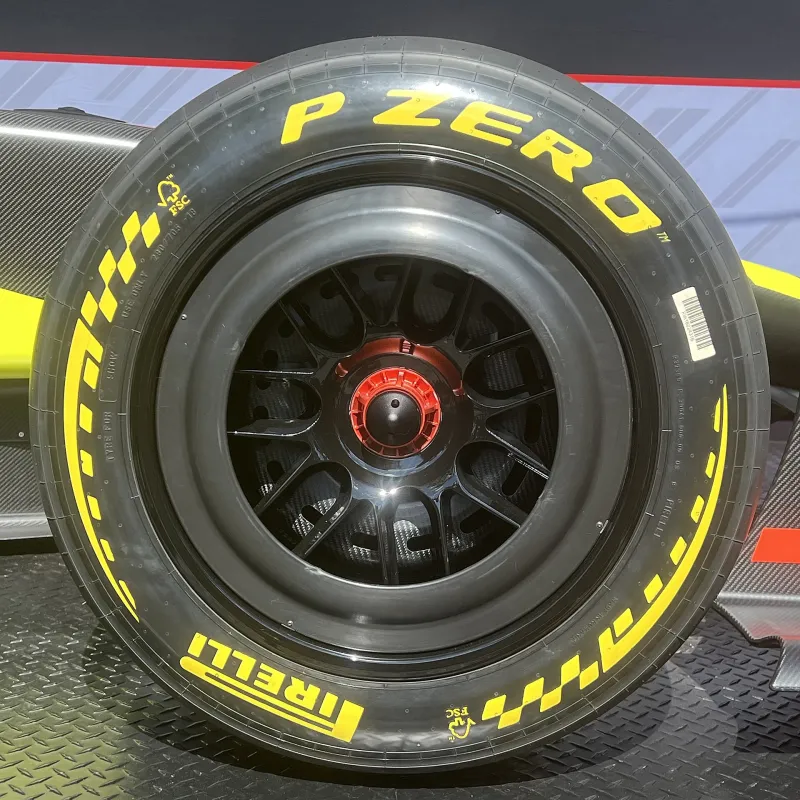
Drivers receive two sets of hard (white), three of medium (yellow) and eight of soft (red), plus green intermediates and blue full wets if needed. An extra set of softs is reserved for anyone who reaches Q3. In a dry race at least two different slick compounds must be used.
Why a 27-lap ceiling?
As in 2025, each set is limited to a maximum number of laps. That cap rises from 25 to 27 this year. It is a precaution against Lusail’s energy, thermal stress and wear, and is meant to stop tyres being run beyond their safe life.
The 27-lap count is cumulative across the weekend: practice, qualifying, the race, and laps spent behind the safety car or virtual safety car all count. On a 57-lap Grand Prix that forces at least two pit stops for everyone.
Pirelli says the limit has been raised because the 2026 cars generate less aerodynamic load than last year’s, and because the construction has been further reinforced.
Wear, graining and stint length
The supplier’s weekend preview notes that Lusail’s 16 corners bite because high-speed turns follow one another and keep the tyres under continuous stress for much of the lap. A relatively smooth surface and high track temperatures can encourage graining on all compounds, which in turn increases wear.
Even so, Pirelli says the tyres deliver consistent performance through a stint, and previous years have shown that performance drop-off stays relatively modest even when wear is high. The 27-lap stint cap, chosen instead of raising minimum starting pressures, is intended to let drivers push harder and manage pace less.
“The circuit features 16 corners and its high level of severity stems from the succession of high-speed turns, which subject the tyres to continuous stress for much of the lap.”
What it means
Strategically Qatar is a mandatory two-stop race at minimum: no single set can cover even half of 57 laps. Teams must watch the cumulative 27-lap tally from Friday, because mileage used in practice comes off the same sets they may want for Sunday.
There is no sprint this year, unlike the 2025 Qatar weekend. Pirelli says that will make remaining mileage and Friday set-up work easier to manage. With the hardest compound range and a track prone to graining, the extra Q3 soft remains the qualifying weapon, while the two-compound rule and the medium–hard mix will shape the pit windows in the race.
- 27
- max laps per set
- 57
- race distance (laps)
- 2+3+8
- hard / medium / soft sets
- 22
- championship round
Paddox poll
Which compound will cover the longest race stint at Lusail?
Enjoyed it? Share it!
Sources
- What tyres will the teams have for the Qatar Grand Prix? (Formula1.com)
This article was produced with the help of artificial intelligence, based on the sources listed. How we work
Comments
Comments are reviewed by automated moderation every four hours; anyone can report unlawful content. Rules